ATTACK
The Acute Crisis
When immediate action is required, yet time, information, and certainty are missing.
Acting with crisis-resistence
PROFESSIONAL COOLNESS
What happens when your company comes under pressure?
SCHEDULE AN INITIAL CALLBecause responsibility is expected, but the freedom to make decisions is taken away.
Because internal procedures, risk aversion, and politics become more important than quality, innovation, and actual customer value.
An acute crisis suddenly puts routines, communication, and responsibilities to the test.
Because necessary regulations are implemented without simultaneously protecting operational agility.
Not due to a lack of competence, but because shifting responsibilities, bureaucratic self-protection, and internal resistance paralyze execution.
The situations vary, the decisive question remains the same: Is your organization capable of acting in situations when established procedures are no longer enough?
OUR APPROACH
Professional Coolness means acting with confidence and prevailing in times of crisis.
Professional Coolness includes the ability to act, making decisions under pressure and with unknowns, and the capacity to take responsibility.
We support companies in developing these skills in managers and teams.
Learning from Extreme Situations for Everyday Business Life.
SCHEDULE AN INITIAL CALLTHE PROBLEM
ATTACK
When immediate action is required, yet time, information, and certainty are missing.
Acting with crisis-resistenceTHREAT
When self-protection, inertia, and rigid procedures begin to displace responsibility and the capacity to act. When the core cause is lost because opportunism is supplanting performance and team orientation.
Regaining the capacity to actHIGH PERFORMANCE
When top talent is expected to take ownership and requires trust, autonomy, and team spirit to do so.
Professional Coolness as a company philosophyTHE SOLUTION
Companies invest heavily in technology, processes, and emergency plans. Yet, when a situation truly becomes critical, it is people who must focus, communicate, decide, and act.
Crises frequently mean a loss of control. Information is either missing or contradictory, proven procedures no longer work, and decisions must be made before the situation is fully understood.
The natural reation is to regain control by demanding more information, more self-protection, and more alignment. While this can be useful, it can also slow down decisions and dilute accountability.
Individuals confronted with extreme situations must act fearlessly. Fearlessness does not mean having no fear. It means enduring uncertainty without losing the capacity to act.
Professional Coolness means:
This is not about ignoring rules and processes. Sound processes provide orientation and safety. Professional Coolness becomes decisive precisely where a situation demands independent thinking and responsible decision-making beyond the rulebook.
The goal is not to have everything under control at all times. The goal is to remain capable of professional action and to keep what truly matters at the center of focus.
OUR METHOD
Learning from extreme situations does not happen automatically. That is why our work does not end with an interesting story or an inspiring presentation. Instead, we guide you through the entire process, from initial diagnosis to final implementation.
Real-life extreme situations reveal exactly what happens to perception, communication, decision-making, leadership, and accountability under intense pressure.
We look beneath the surface of processes and structures: Where do operational capability and accountability break down? What role do trust, fear, hierarchy, and organizational habits play?
We design tailored formats, learning paths, and healthy routines that allow teams to test new behaviors and embed them permanently into daily business operations.
Our work inspires and drives lasting change.
WHERE WE FOCUS
Cyberattack, production downtime, security incident, or any other situation requiring immediate action under time pressure.
Despite all the technology, systems are only as resilient to crises as the people who operate them.
We work on the skills that become decisive then: perception under stress, information sharing, decision-making with incomplete information, clear responsibility, leadership, communication, and debriefing.
People do not just know what is written in the emergency plan. They learn to work with it under pressure.
Not every crisis begins with an alarm.
Organizations also lose the ability to act gradually: decisions serve self-protection instead of the cause. Processes displace the actual mandate. Responsibility moves upward unquestioned. Problems are recognized but no longer addressed.
We investigate where responsibility is lost, which fears influence decisions, where trust is lacking, and which damaging rules have a stronger effect than common sense.
The goal: people who understand their mandate and take responsibility for it.
High-performing employees think independently, take accountability, and want to make an impact. This makes them highly valuable - and sometimes challenging to lead.
Special forces show something interesting: people identify not only with their activity, but with their mission, their unit, and with each other.
The point is not to run companies exactly like special forces. We investigate what can be meaningfully transferred: selection, trust, autonomy, clear responsibility, constructive dissent, cohesion, as well as a consistent feedback and debriefing culture.
Autonomous individuals require an environment that allows them to act autonomously.
OUR FORMATS
Discover Professional Coolness
Keynotes or interactive sessions based on real-world extreme situations. Designed for executives, teams, corporate events, and management boards. (1–3 hours)
Train Your Capacity to Act
Intensive workshops focusing on decision-making, communication, accountability, leadership, and behavior under uncertainty, tailored to your organization's specific challenges. (1–2 days)
Embed Change in the Organization
We analyze exactly where operational capability breaks down, co-develop targeted interventions, and guide your team through the implementation process.
THE TEAM
What Empowers People When Certainties Vanish?
What connects us is not the extreme situation itself. We are interested in seizing what people learn from it, and how these insights can be directly transferred to leadership, teams, and modern organizations.
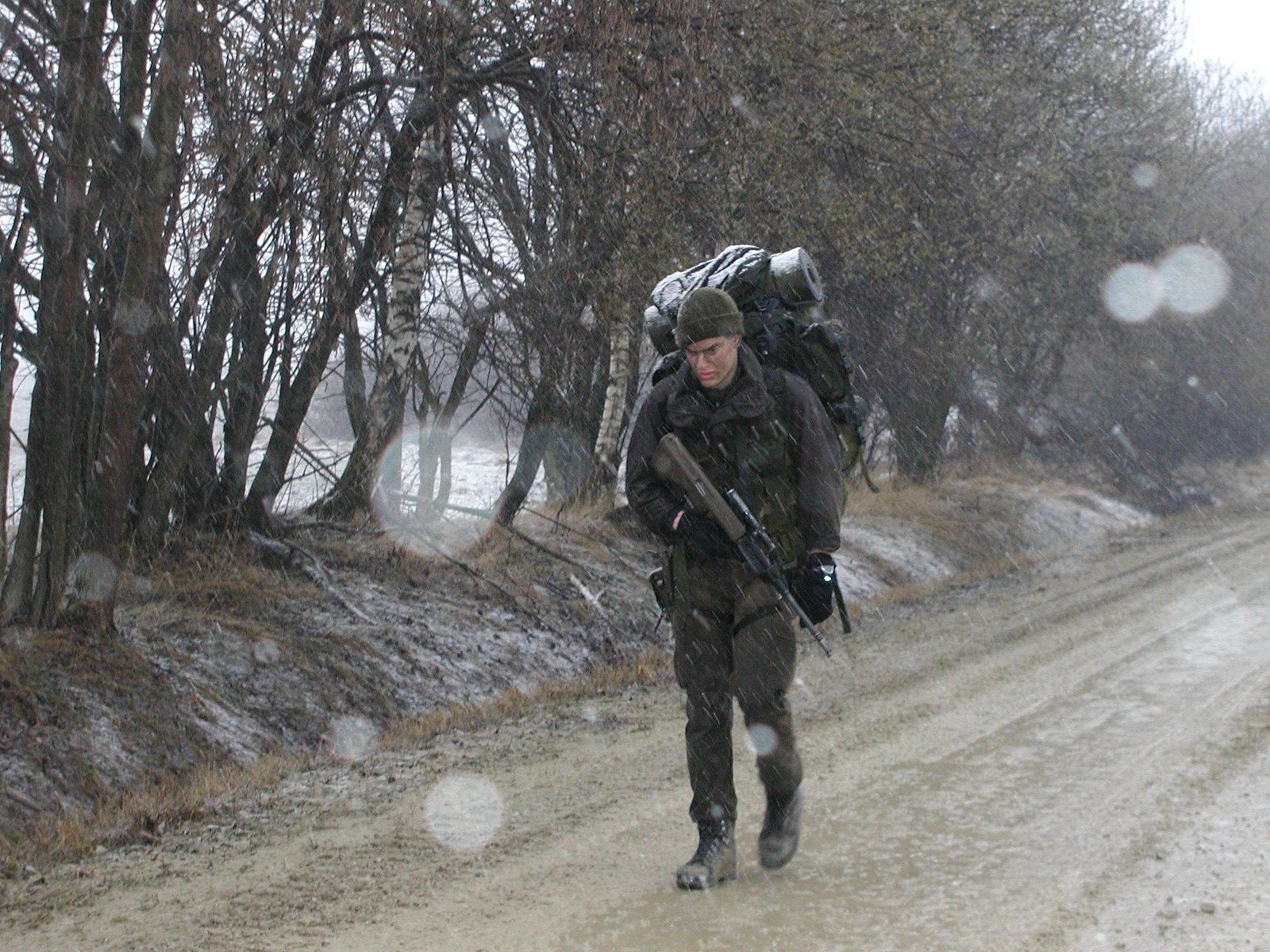
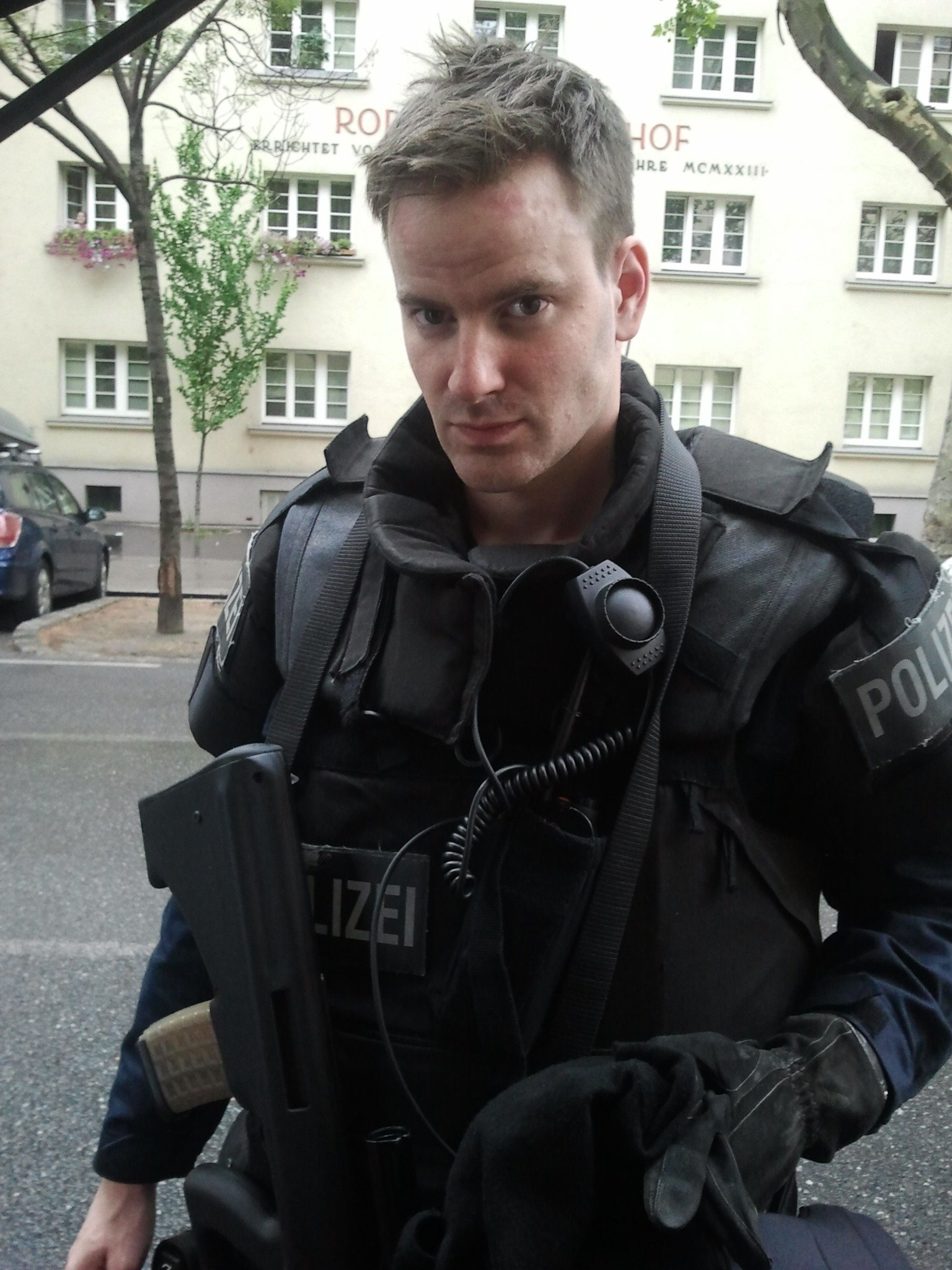
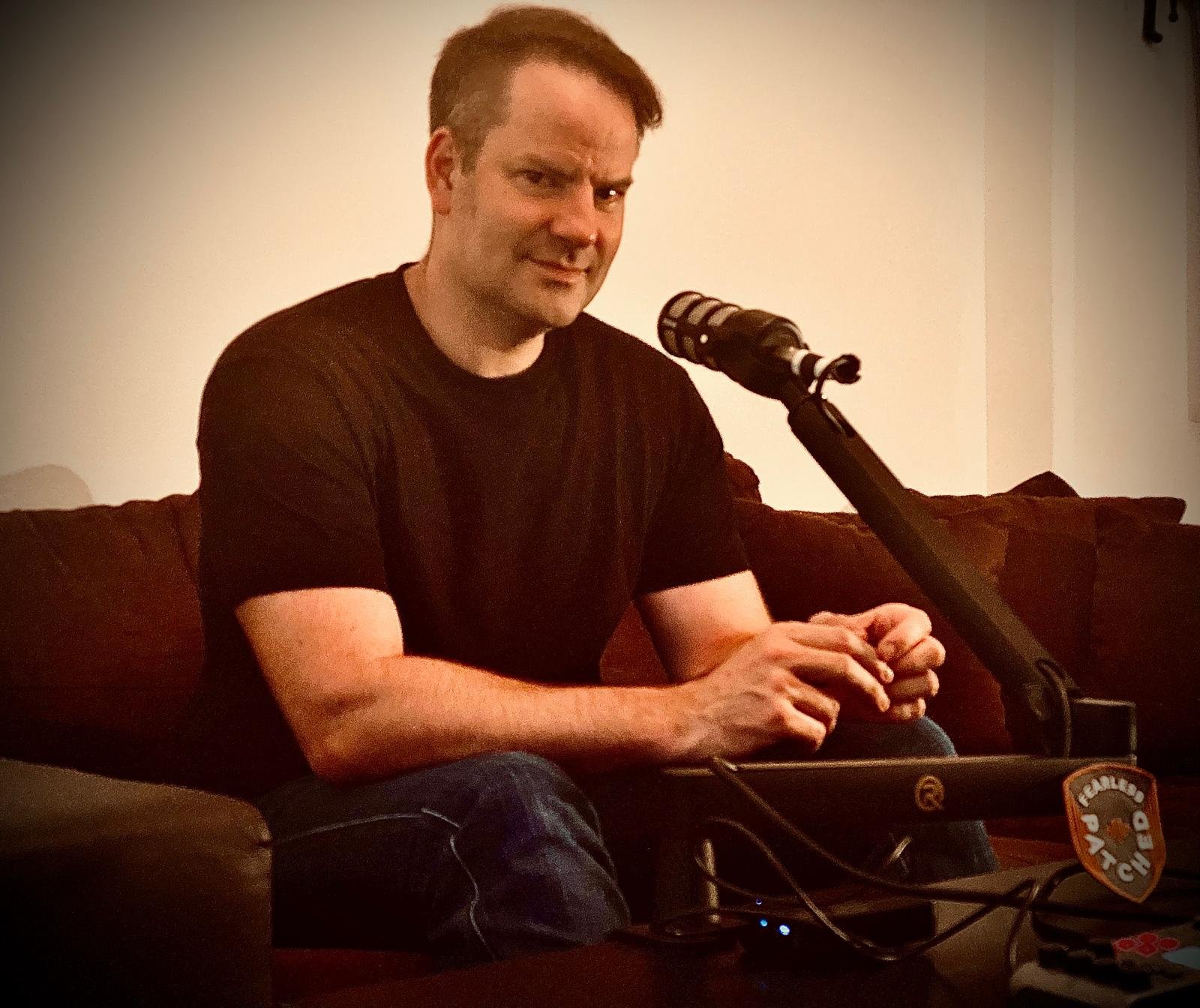
Tom spent ten years in special operations forces. After successfully completing his selection and training with the elite military Jagdkommando, he served as an operator and team commander within the Vienna police tactical unit, while also working as a tactical instructor for the police force.
His core focus centers on what enables individuals and teams to retain their capacity to act when time, information, and safety are entirely missing.
As the host of the Fearless Patched podcast, he interviews professionals from high-risk, front-line occupations about decision-making, accountability, and extreme situations.
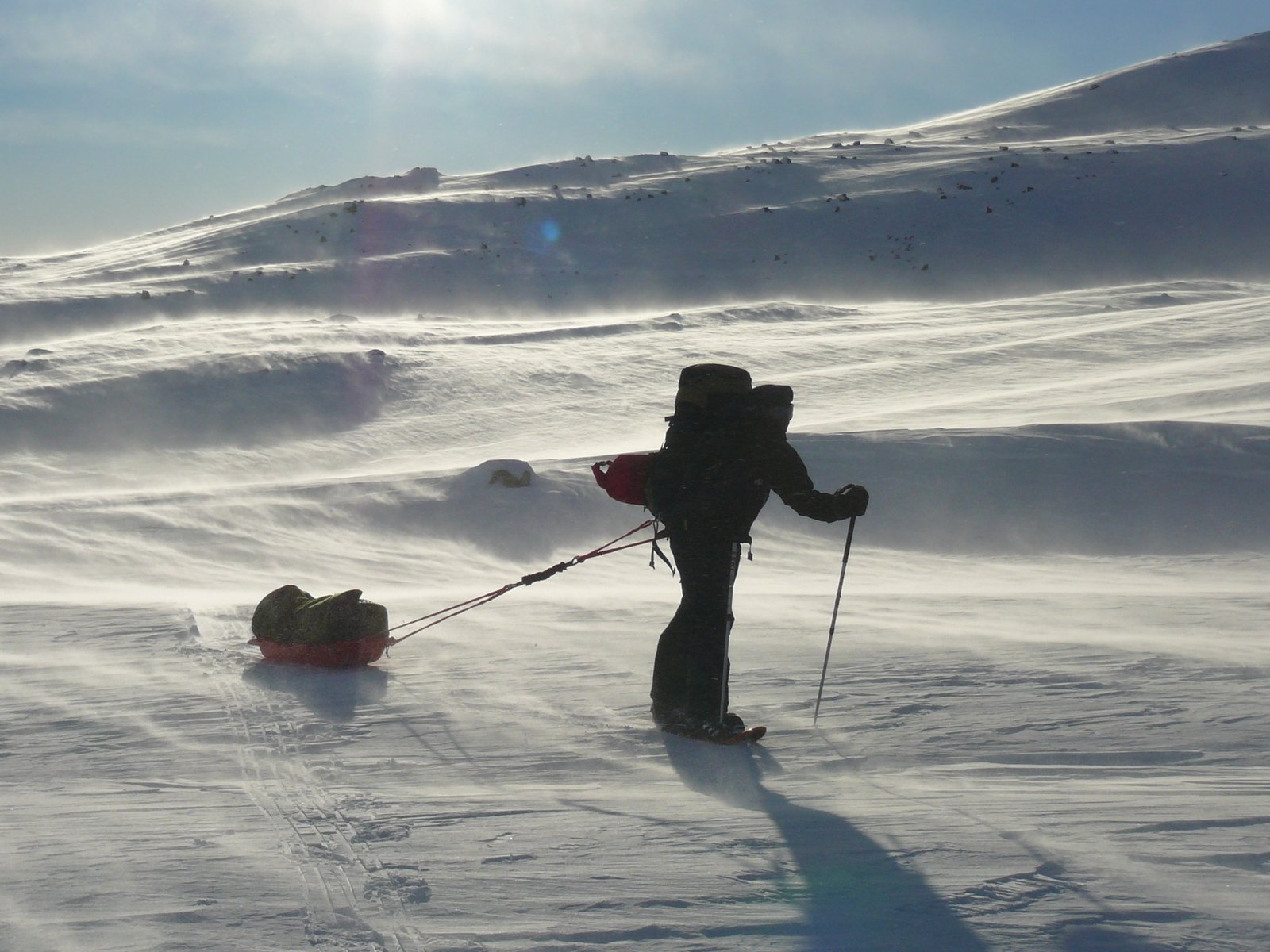

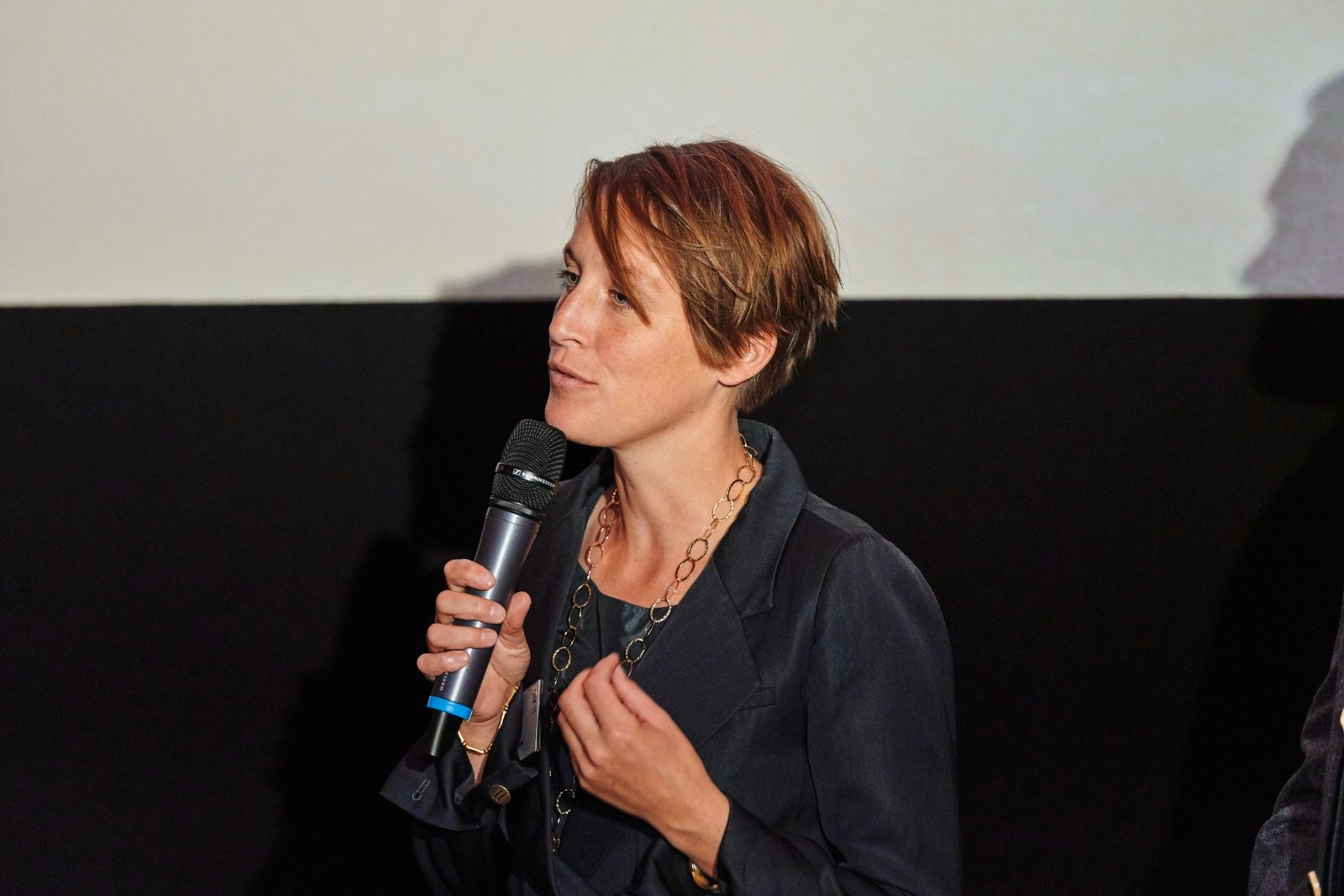
Kathrin has spent 20 years dedicated to learning, personal growth, and economic development. She has served as an analyst for the OECD and the World Bank, was a Fellow at Harvard University, and a lecturer at Heidelberg University.
Her core focus explores the exact conditions under which people learn and evolve, and how leveraging these competencies drives personal and organisational progress.
The Arctic, the Caucasus, the US, Russia, mountain ultra-marathons, and rugged trail tracks have become her personal training grounds defining her approach: Learning as an Adventure.
DEBRIEF
Would you like to get a first impression of us? Every two weeks, in the Fearless Patched Debrief, we look at what people in high-responsibility professions actually do when they have to make decisions with real consequences under uncertainty and time pressure – and transfer these insights to leadership and organizations.
Professional Coolness is built for executives and teams who want more than just surface-level inspiration. It is for those ready to challenge standard routines, speak transparently about mistakes and uncertainty, and truly delegate responsibility.
Whether facing an acute crisis, a creeping loss of control, or building a high-performance team: our starting point is always your specific, real-world challenge.
Let’s talk about what can make your organization more capable of acting.